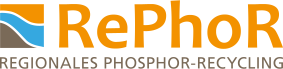


Global Forum for Food and Agriculture (GFFA) in Berlin: FiW is participating in the cooperation exchange with an exhibition stand for the BMFTR funding measure RePhoR
Global Forum for Food and Agriculture (GFFA) in Berlin: FiW is participating in the cooperation exchange with an exhibition stand for the BMFTR funding measure RePhoR

Impressions from the Global Forum for Food and Agriculture (GFFA) international conference. © FiW e. V.

Around 2,000 international visitors gathered in Berlin between 14 and 17 January to discuss the sustainable use of water in agriculture under this year’s theme ‘Water. Harvest. Our Future.’ The FiW was represented with an exhibition stand for the BMFTR funding measure RePhor Regional Phosphorus Recycling.

The Global Forum for Food and Agriculture (GFFA) international conference offers a wide range of opportunities for international networking on key issues for the future of global agriculture and food policy, with a total of 16 expert panels, three high-level panels and a cooperation exchange. The two-day cooperation exchange offers participants from business, science, associations and start-ups a space and opportunity for dialogue and exchange of experiences. The FiW was involved with its own stand on the BMFTR funding measure RePhoR – Regional Phosphorus Recycling – and was able to present and explain the project content in detail in numerous individual discussions with international participants.

Many of the people we spoke to had a professional background in agricultural and agrarian policy and were grateful to learn more about the potential for innovative phosphorus recycling in wastewater management. The feedback showed that there is still considerable potential for interdisciplinary cooperation in both fields and that even among experts, interdisciplinary solutions for securing resources and food security are not yet part of the mainstream approaches under discussion. Events such as the GFFA offer the opportunity to share knowledge beyond the boundaries of one’s own field and to identify synergies that can be further developed within future collaborations.

We would like to thank the organisers of the GFFA for the opportunity to participate as exhibitors at the cooperation exchange and look forward to being there again next year!
Phosphorus Recycling on the Way to Implementation: 10th RePhoR Steering Committee Meeting in Hannover

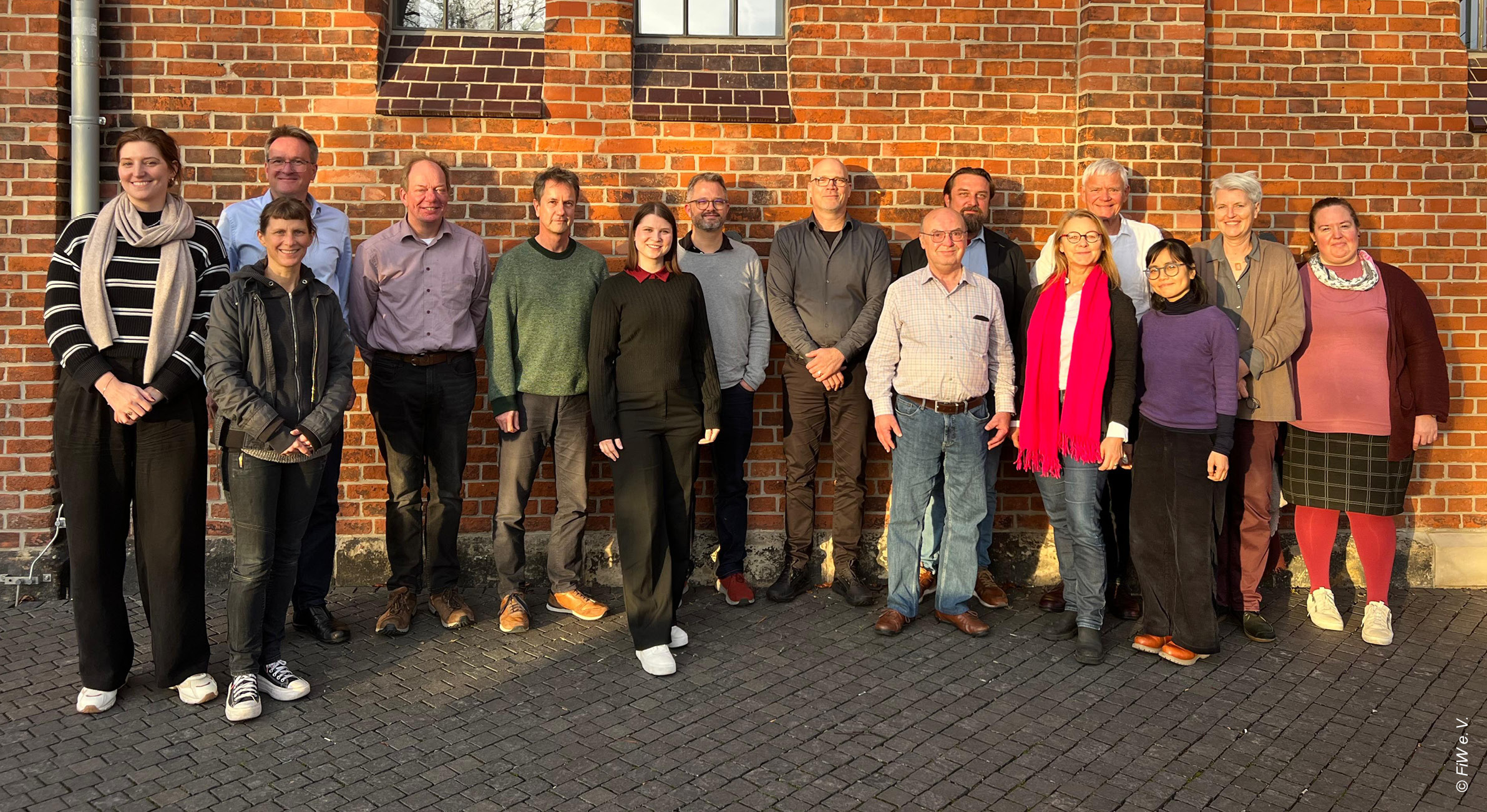
Phosphorus Recycling on the Way to Implementation: 10th RePhoR Steering Committee Meeting in Hannover

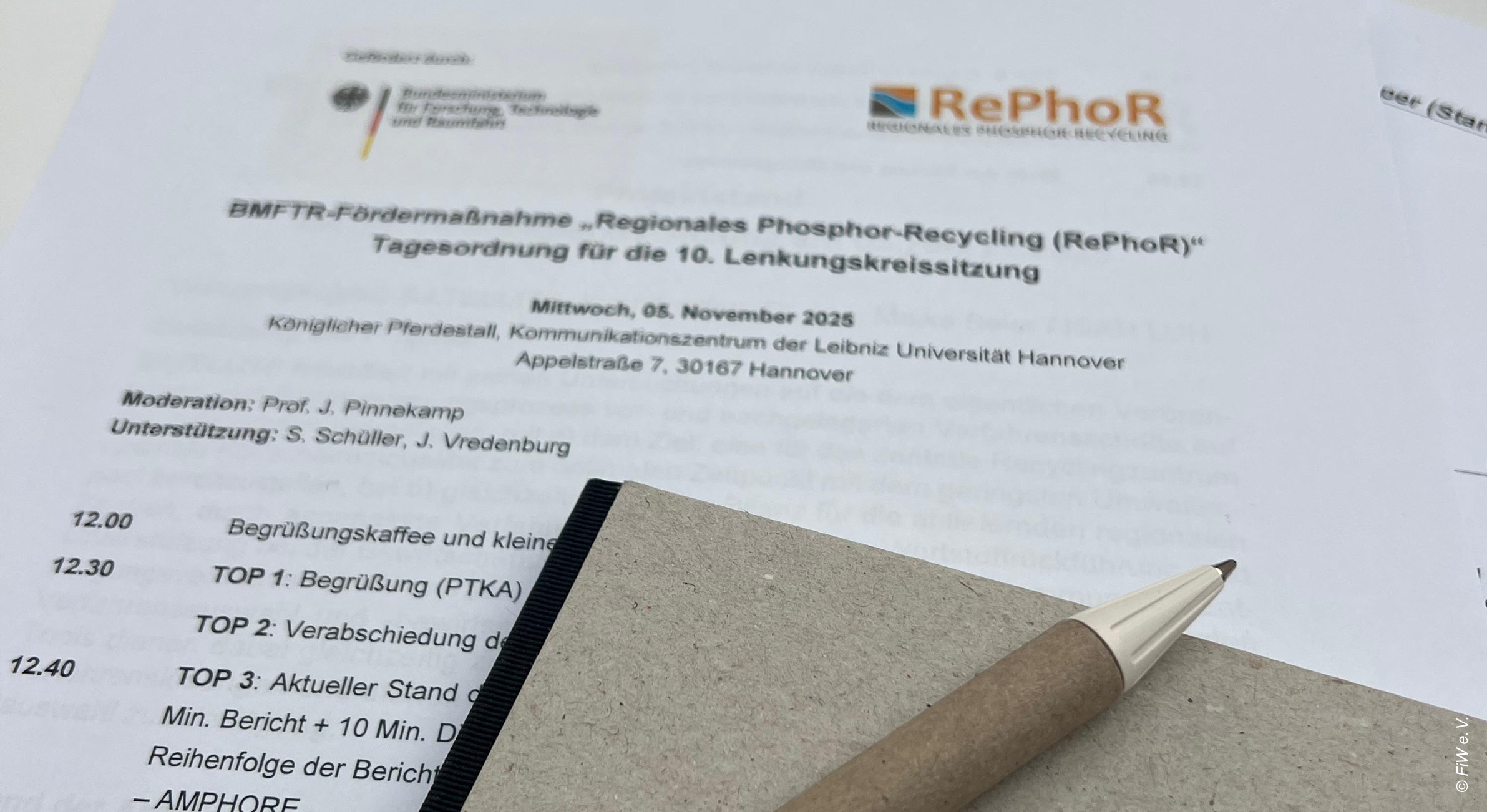
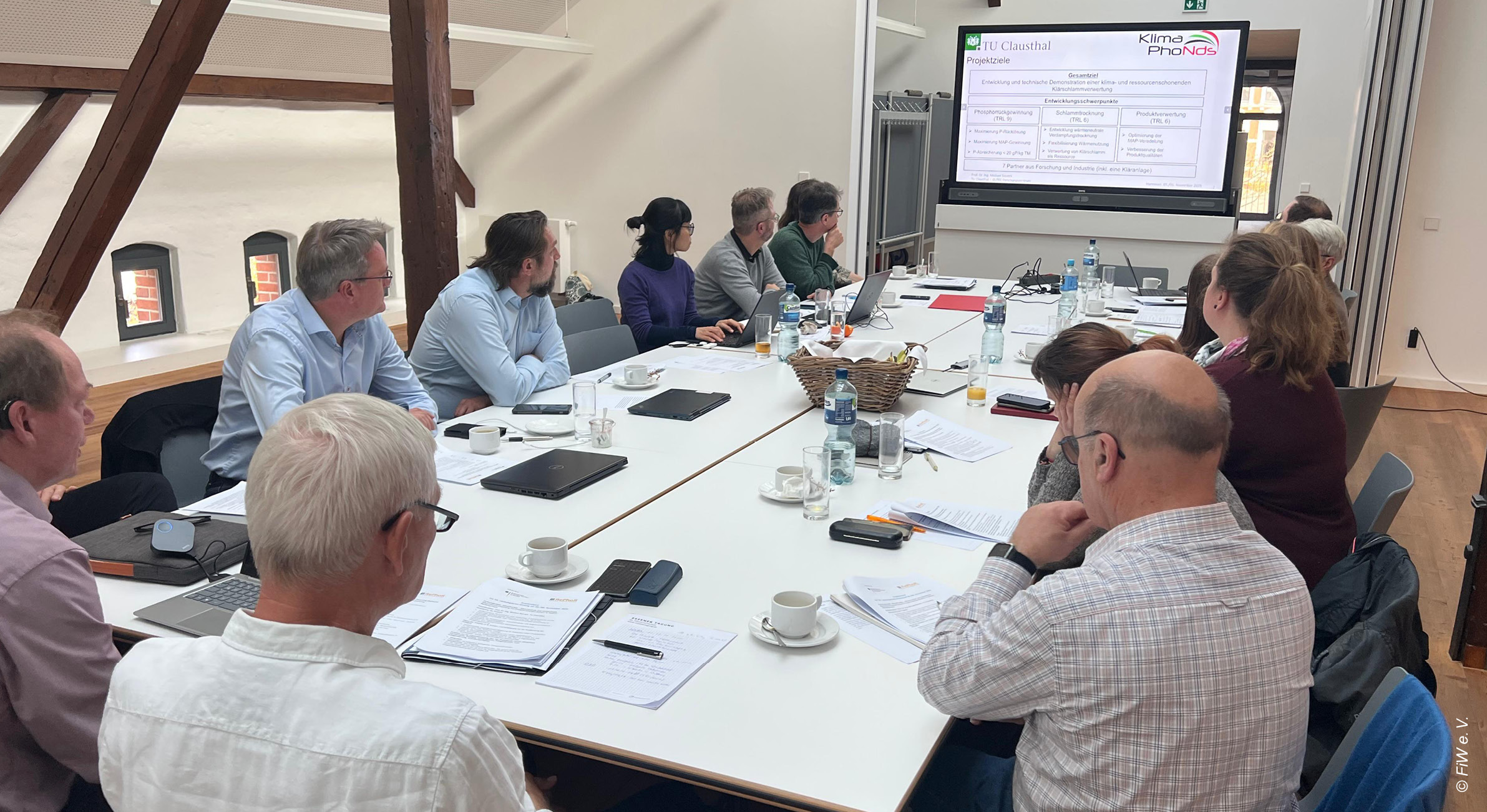
On 4 and 5 November 2025, the 10th Steering Committee meeting of the BMFTR funding initiative “Regional Phosphorus Recycling (RePhoR)” took place in Hannover. The focus was on planning transfer activities and drafting political recommendations for action. As the legal obligation to recover phosphorus takes effect in 2029, the large-scale implementation experiences gained within RePhoR are becoming increasingly important. The funding initiative demonstrates how phosphorus can be recovered from wastewater, sewage sludge, and sewage sludge ash and returned to regional material cycles.

The meeting was hosted by the Institute of Sanitary Engineering and Waste Management (ISAH) at Leibniz University Hannover, which coordinates the joint project SATELLITE. Participants gathered at the Royal Stables, the university’s communication centre.

As the RePhoR joint projects approach completion – some already at the end of this year, others in 2026 – numerous results and practical insights are now available. These findings vividly illustrate the technical, organisational, and economic conditions necessary to recover phosphorus on a large scale and reintegrate it into material cycles. They are increasingly relevant, as the nationwide implementation of phosphorus recovery still faces challenges – particularly due to the lack of large-scale operational experience.

Against this backdrop, the accompanying project TransPhoR, coordinated by FiW, is planning a series of targeted transfer activities together with the joint projects to make the results more widely accessible – through expert presentations, publications, and participation in trade fairs such as IFAT 2026. A comprehensive status report with contributions from all projects was already published in June and is available at https://www.bmbf-rephor.de/download-statusbericht-2025/. The update of this report was also discussed during the meeting.

The RePhoR Steering Committee serves as a platform for cross-project networking and exchange on current developments in research, industry, administration, and policy. It brings together the coordinators of the RePhoR joint projects, experts from public authorities, associations, and ministries, as well as representatives of the project management agency and the accompanying project TransPhoR.

The Federal Ministry of Research, Technology and Space (BMFTR) funds the initiative “Regional Phosphorus Recycling (RePhoR)” as part of the programme “Water: N – Research and Innovation for Sustainability”. Water: N is part of the national strategy “Research for Sustainability (FONA)”.

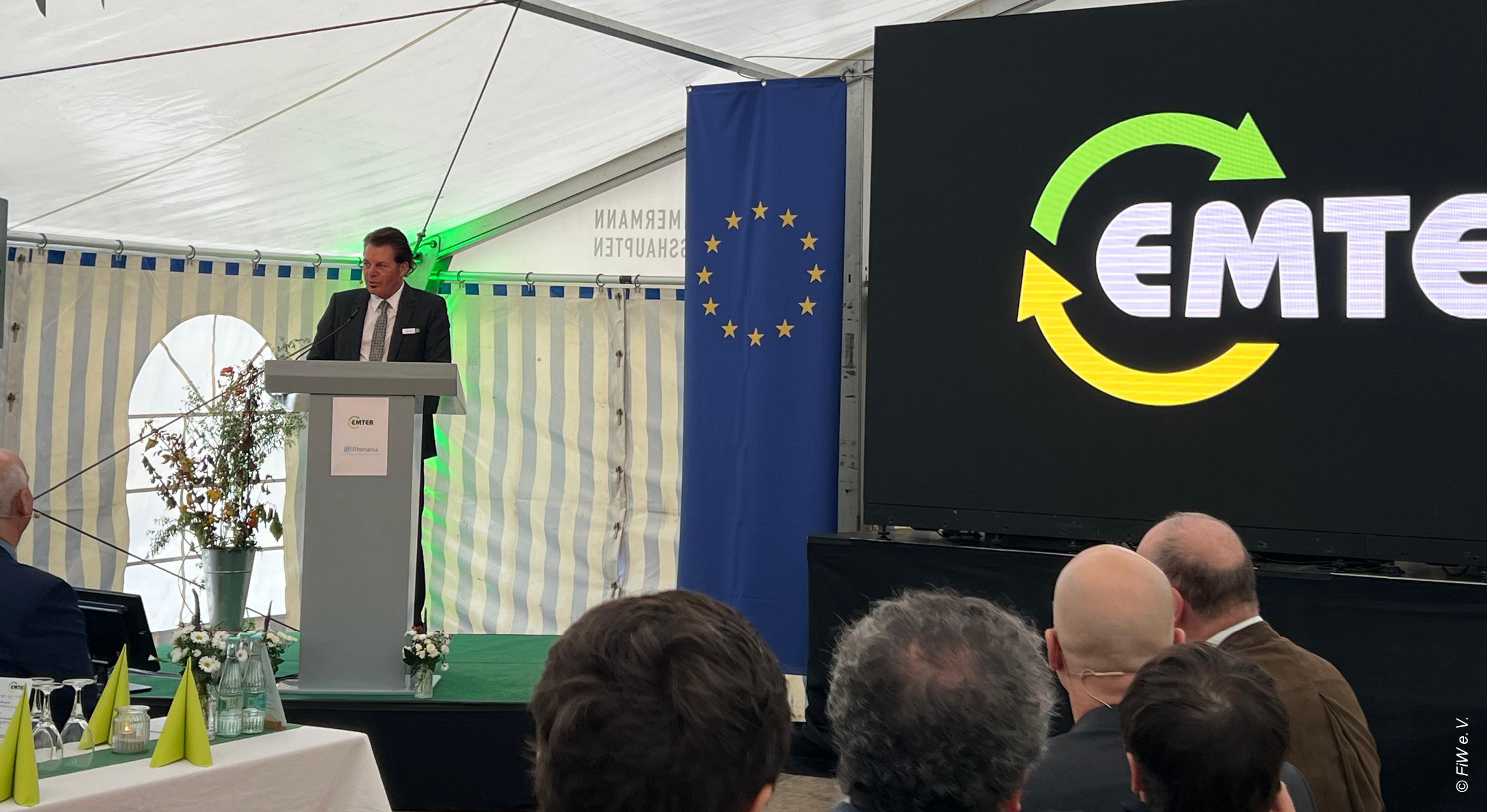
Opening of the R-Rhenania Phosphorus Recycling Plant in Altenstadt

Opening of the R-Rhenania Phosphorus Recycling Plant in Altenstadt

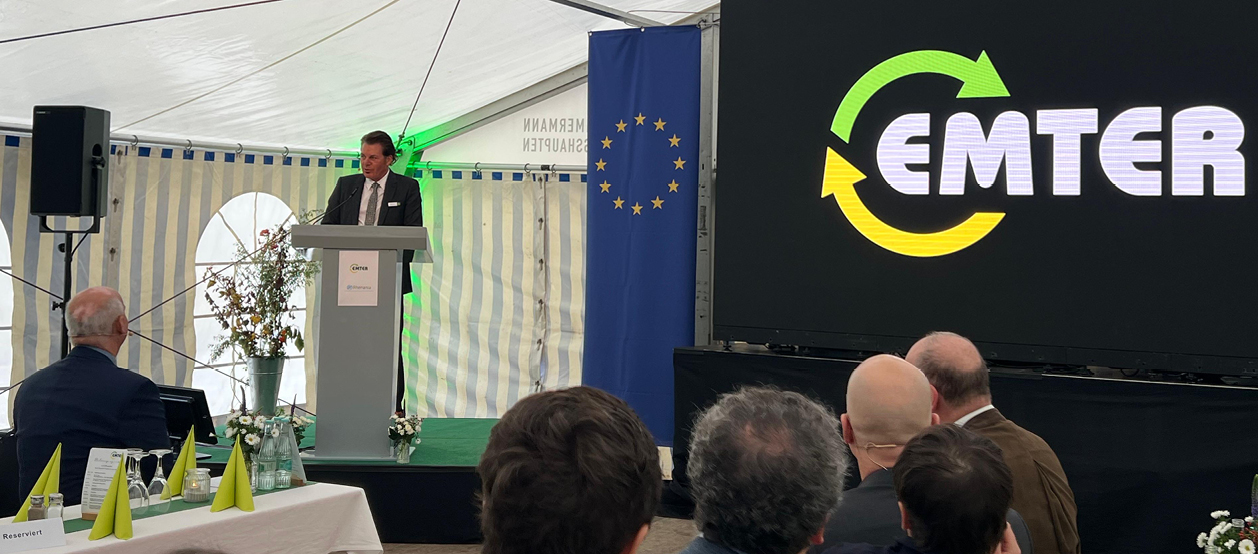
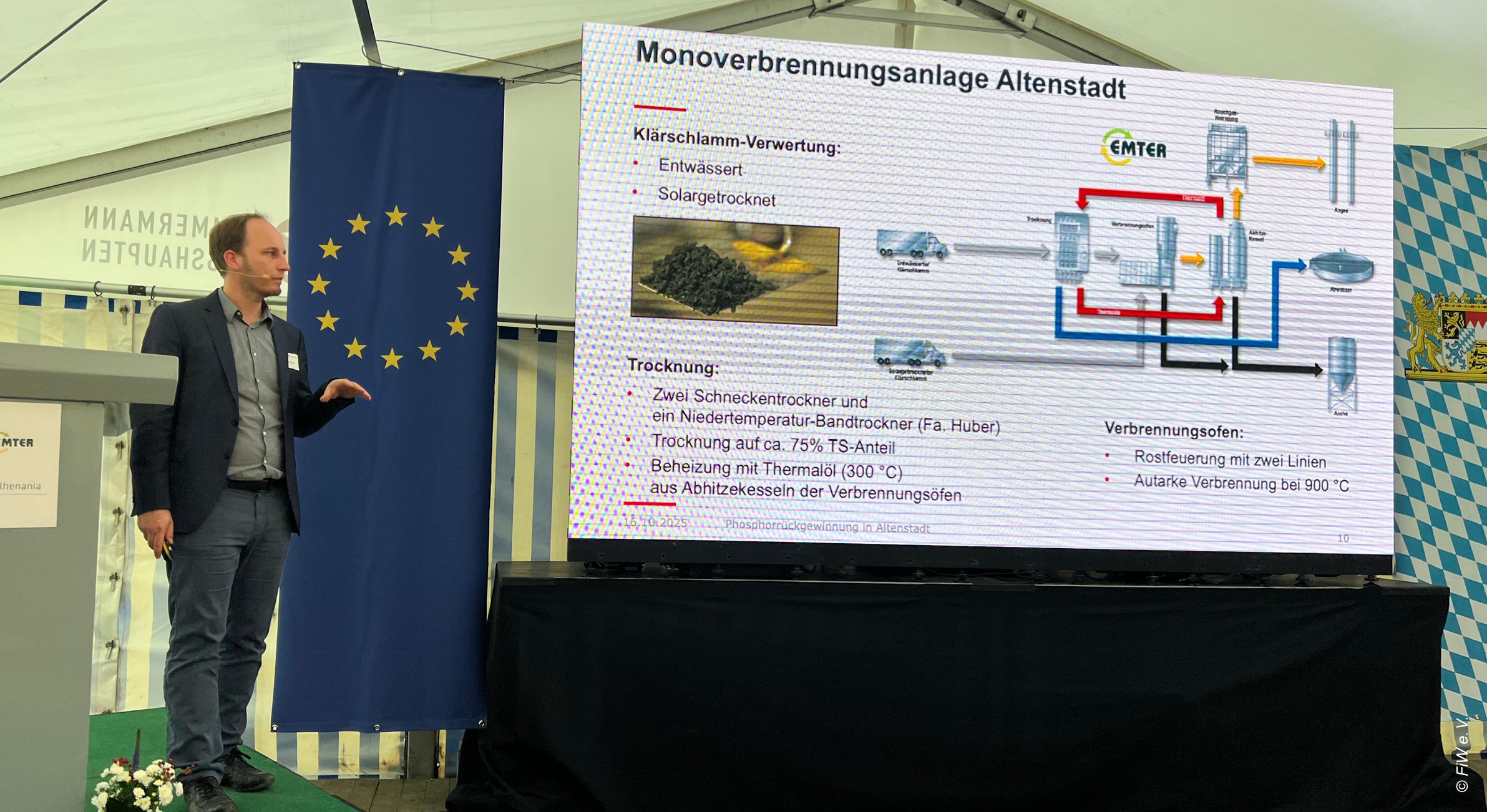
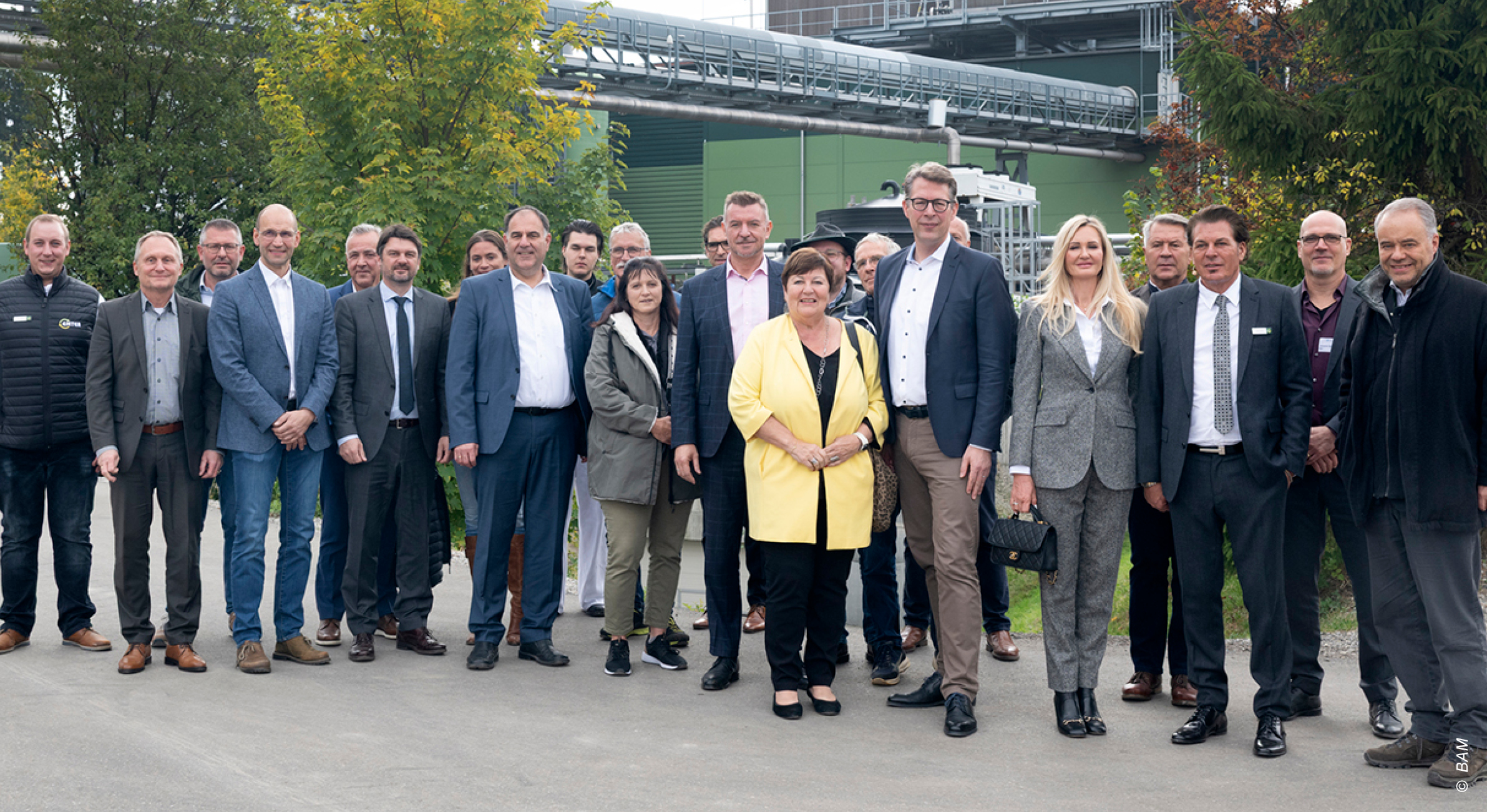
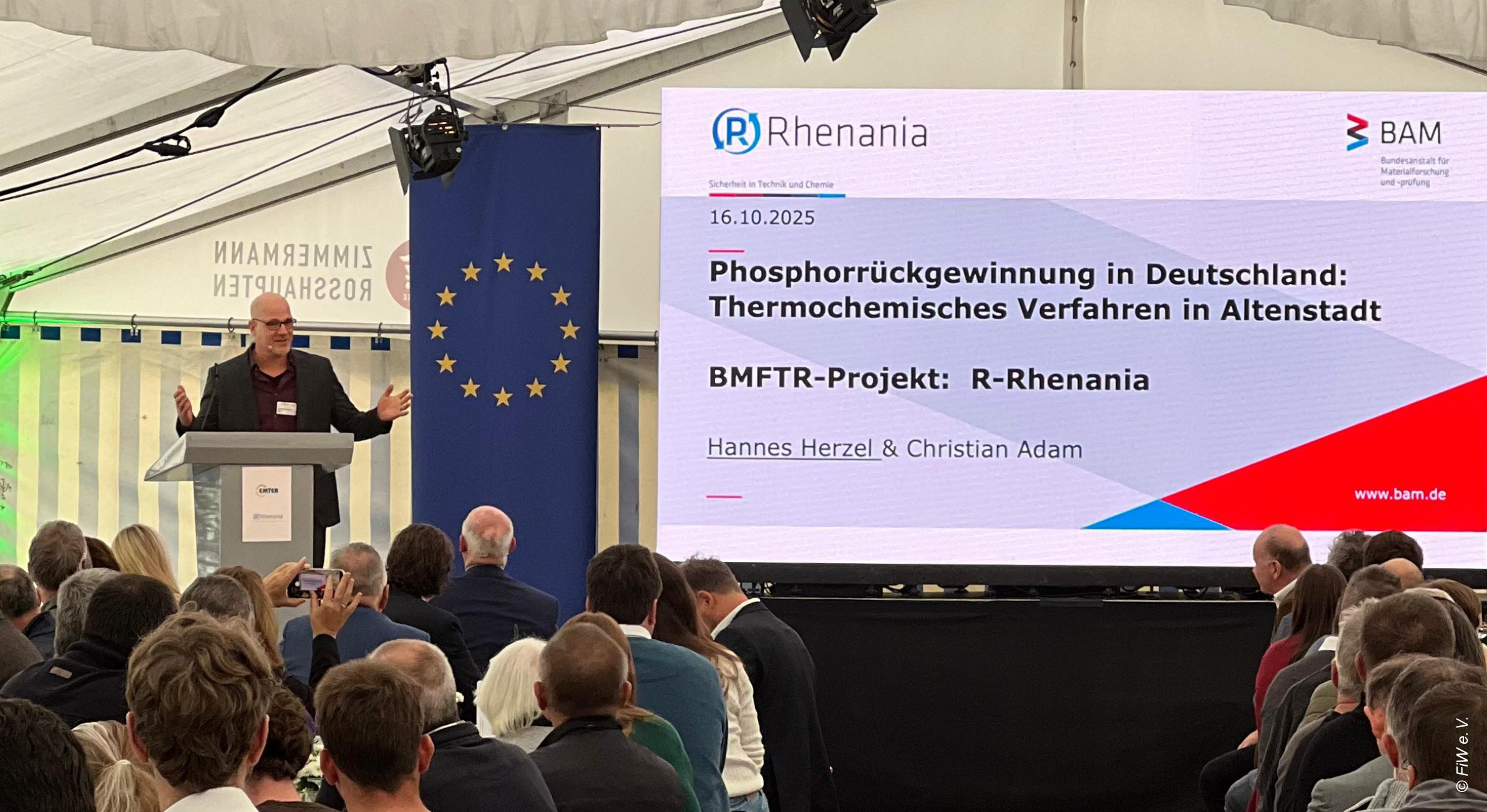
On October 16, 2025, the phosphorus recycling plant of the RePhoR joint project R-Rhenania was officially inaugurated in Altenstadt (Upper Bavaria). Around 200 guests, including high-ranking representatives from science, politics, and industry, attended the celebration hosted by Emter GmbH.

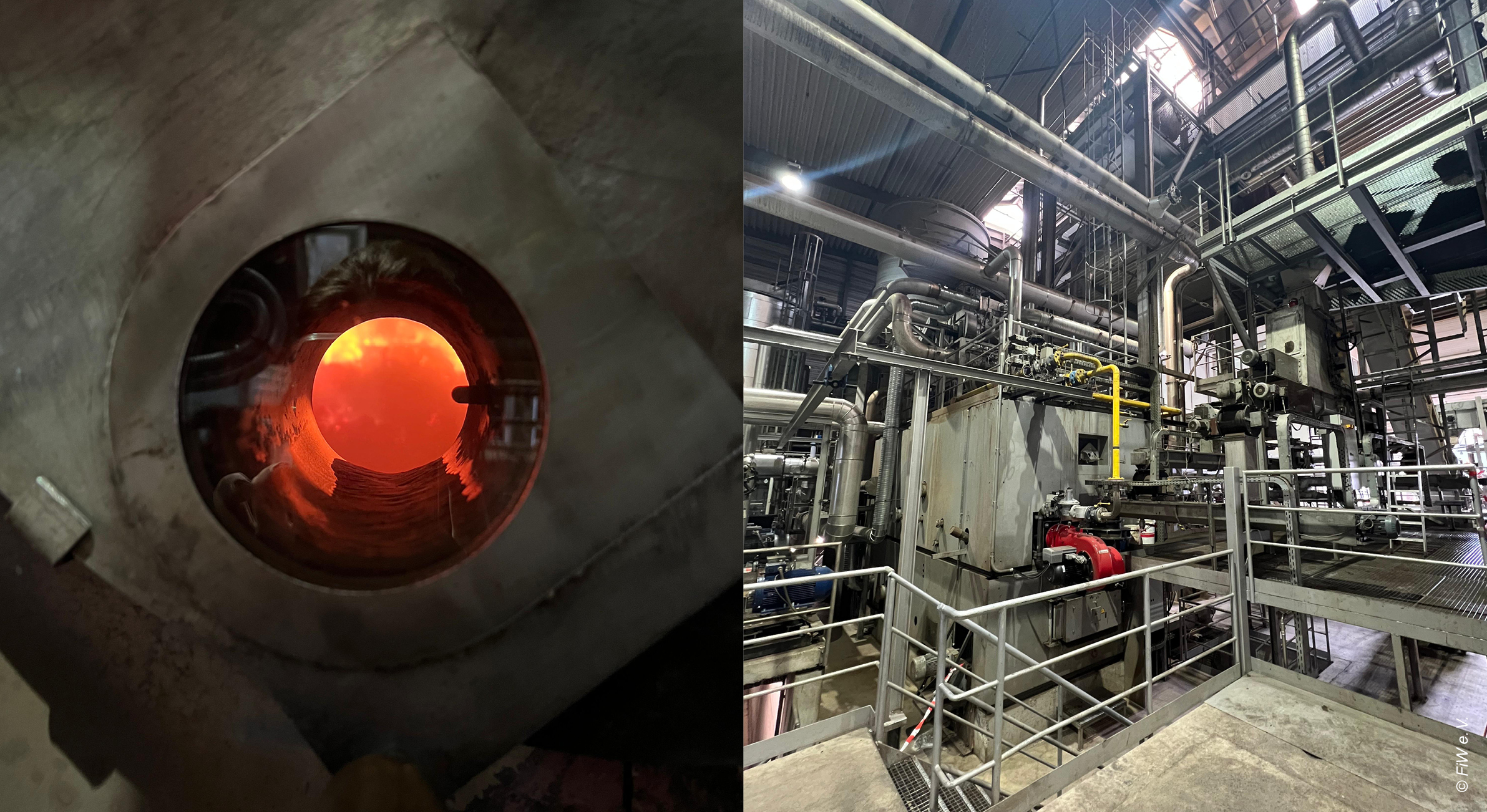
The facility operated by Emter GmbH implements for the first time on an industrial scale the process developed within the R-Rhenania project, funded by the Federal Ministry of Education, Research, Technology and Space (BMFTR). It processes up to 50,000 tonnes of dried sewage sludge per year and produces 15,000 tonnes of phosphate fertilizer. The product R-Rhenania Phosphate already meets the requirements of the Sewage Sludge Ordinance, which from 2029 onwards will make phosphorus recovery from sewage sludge mandatory in Germany.

The thermochemical R-Rhenania process, based on the AshDec® technology developed by the Federal Institute for Materials Research and Testing (BAM), converts poorly soluble phosphorus into a plant-available form. At the same time, pollutants such as cadmium, lead, and mercury are removed and safely separated. The high fertilizing efficiency of the recycled product has been confirmed in pot and field trials, including under organic farming conditions.

In his welcoming address, Bavarian Minister of Science Markus Blume emphasized the importance of the plant for resource security: “Turning waste into resources – the Altenstadt plant demonstrates how high-tech and sustainability can go hand in hand. Phosphorus is an indispensable nutrient that we will now be able to recover regionally.” The Tagesschau reported on the event (link), and additional media coverage appeared on Bayerischer Rundfunk, EUWID, and other outlets.

The accompanying program included presentations and guided tours of the new facility, focusing on topics such as phosphorus recycling in Germany, life cycle assessment, fertilizer effectiveness, and REACH registration.

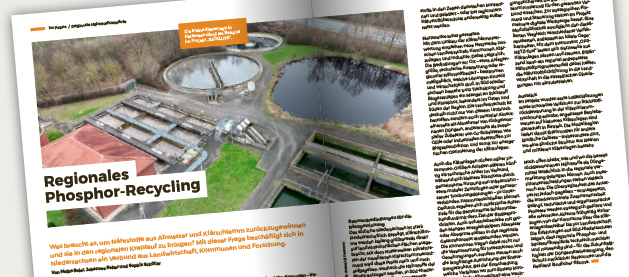
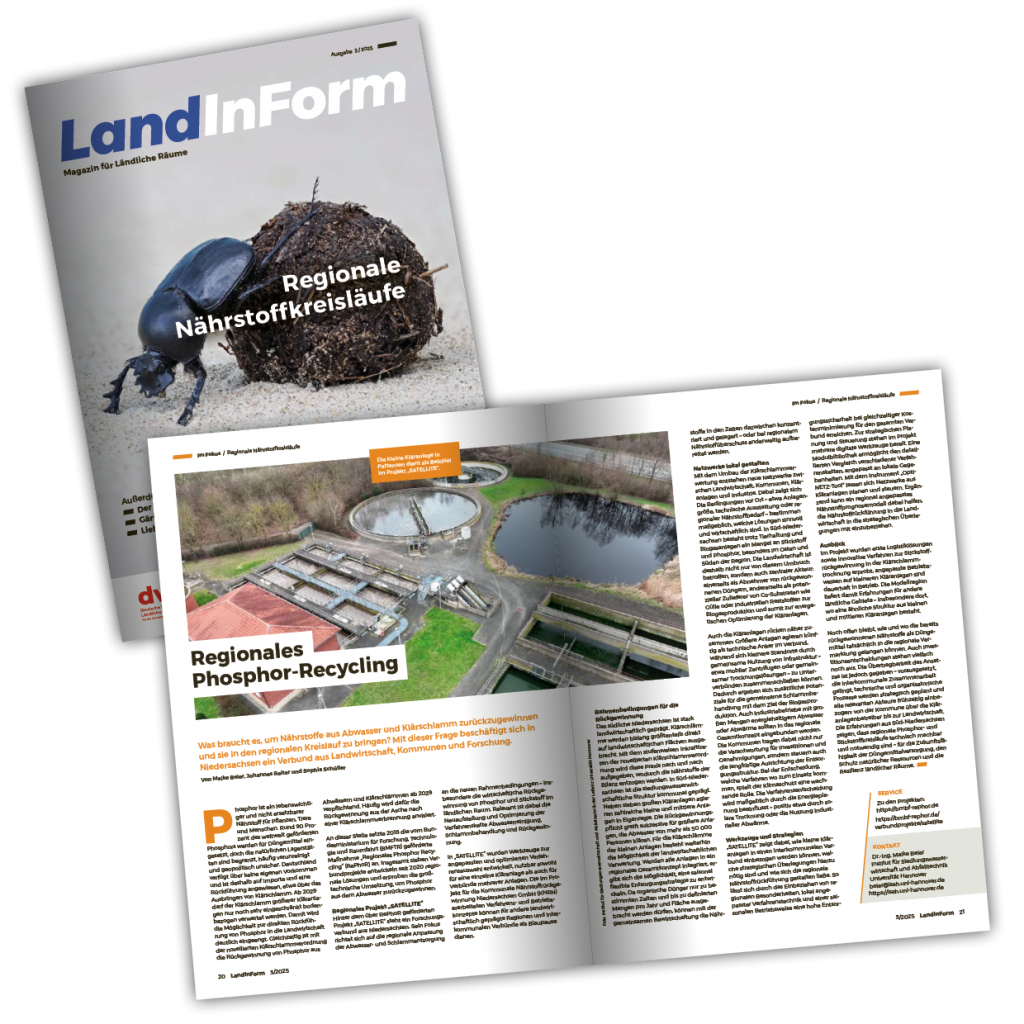
LandInForm magazine reports on phosphorus recycling in Lower Saxony

LandInForm magazine reports on phosphorus recycling in Lower Saxony

The current issue of LandInForm features an article by SATELLITE and TransPhoR on phosphorus nutrient recycling. Using Lower Saxony as an example, the article outlines the steps required to recover phosphorus from wastewater and sewage sludge and return it to regional cycles, from the framework conditions to the role of local authorities, agriculture, and research.

LandInForm is a practical trade journal for rural areas and is published by the German Networking Agency for Rural Areas, which is based at the Federal Office for Agriculture and Food and is funded by the EU’s Common Agricultural Policy. The current issue focuses on “Regional Nutrient Cycles.”

Anyone looking for a quick, practical introduction to the topic of phosphorus recycling and regional implementation methods can download the article from issue 3/2025 free of charge at https://www.dvs-gap-netzwerk.de/fileadmin/Redaktion/Seiten/Service/Publikationen/LandInForm/2025/LandInForm_3_25.pdf.

The article is only available in German.

Phosphorus Recovery Before 2029: RePhoR Status Report Provides Practice-Oriented Insights

Phosphorus Recovery Before 2029: RePhoR Status Report Provides Practice-Oriented Insights

The status report of the BMFTR-funded initiative “Regional Phosphorus Recycling – RePhoR” has been published. Coordinated by FiW within the accompanying project TransPhoR, the report compiles the findings from seven collaborative projects on phosphorus recovery and highlights practical challenges, solution approaches, and opportunities. The publication comes at a critical time: four years before the legal obligation for phosphorus recovery comes into effect, concrete implementation plans are still lacking in many places.

Phosphorus is an essential and irreplaceable element in all living organisms and is primarily used as fertilizer for high-yield agriculture. Since the EU has no domestic phosphate rock deposits, it is entirely dependent on imports, which poses significant risks to supply security. Recovering phosphorus from phosphorus-rich waste streams such as wastewater and sewage sludge plays a key role in securing future supply.

Since 2020, seven collaborative projects have been working on phosphorus recovery concepts within the BMFTR-funded RePhoR initiative, implementing them at a large technical scale. In addition to technical aspects, the projects also address legal and organizational challenges—such as inter-municipal cooperation, partnerships with private sector actors, logistics, certification requirements, and the quality and marketability of the recovered products. Most of the projects have now built their facilities and gained initial operational experience. These practical insights are essential to support future investment decisions based on well-founded knowledge.

The current RePhoR status report provides a comprehensive overview of how large-scale recovery processes can be implemented technically, economically, and organizationally—from planning to market integration. It also discusses legal and permitting barriers as well as issues of social and agricultural acceptance. The report is available for download at the following link: https://www.bmbf-rephor.de/download-statusbericht-2025/

We welcome your feedback, which can be submitted via a form available with the download.

The report was presented at this year’s 14th DWA Sewage Sludge Days in Würzburg at the joint exhibition booth of the collaborative projects, offering numerous professionals the opportunity to exchange insights on the current state of research.

Guide and Excel tool on the economic viability of phosphorus recycling published

Guide and Excel tool on the economic viability of phosphorus recycling published

In order for phosphorus recovery to be implemented on schedule, sewage sludge producers must make technical and organizational decisions at an early stage. Economic considerations are also closely linked to this, as there are currently no reliable figures available.

The TransPhoR accompanying project is therefore now providing a guide and an accompanying Excel tool that can be used to evaluate different P recycling concepts economically according to uniform criteria and compare them approximately. The guide describes a standardized procedure that transparently records investment costs and running costs (e.g., energy, personnel, operating resources) and compares them with the monetary benefits from recyclates and possible by-products. The Excel tool helps to document assumptions in a comprehensible manner and to perform sensitivity analyses to check how strongly results depend on key parameters.

The guide can be downloaded at the following link:
https://www.bmbf-rephor.de/wp-content/uploads/2025-05_BMBF-RePhoR_Leitfaden-Wirtschaftlichkeitsbetrachtung.pdf

The Excel tool developed is also available for download free of charge on the RePhoR project website:
https://www.bmbf-rephor.de/wp-content/uploads/Exceltool_Wirtschaftlichkeit_TransPhoR.xlsx

Both are currently only available in German.

9th RePhoR Steering Committee Meeting in Darmstadt

9th RePhoR Steering Committee Meeting in Darmstadt

On April 2 and 3, 2025, the 9th Steering Committee meeting of the BMFTR funding measure Regional Phosphorus Recycling (RePhoR) took place in Darmstadt. The event was hosted by the Institute IWAR at Technische Universität Darmstadt, which also coordinates the joint project RePhoRM.

In addition to updates from the joint projects, the meeting focused in particular on discussing the RePhoR status report and its key findings. Furthermore, the results of the three cross-cutting topics were presented and potential avenues for valorization were discussed, as these cross-cutting activities will conclude at the end of June 2025.

Within the cross-cutting topic “Products and Markets”, HGoTECH presented the results of the conducted plant trials. In the area of “Sustainability”, the Institute for Sustainability and Resource Management (INaB) introduced the framework developed for a comparative life cycle assessment. The cross-cutting topic “Law” concluded with a well-attended workshop in March, during which the commissioned legal opinion on the “end-of-waste status” was presented and discussed in depth.

The professional exchange was complemented by a tour of the new laboratory facilities at the Institute IWAR and a joint dinner on April 3, which offered space for further discussions.

The RePhoR Steering Committee serves as a platform for cross-project networking and the exchange of key developments in the sector. It brings together the coordinators of the joint projects and the networking project, as well as experts from industry, associations, public authorities, and ministries. Representatives of the Federal Ministry of Education, Science and Research (BMFTR) and the project management organization also regularly participate in the biannual meetings.

RePhoR Webinar Series Launch – Registration Open

RePhoR Webinar Series Launch – Registration Open

On Tuesday, March 11, 2025, the kick-off of the RePhoR webinar series will take place with the presentation of the legal opinion on the end-of-waste status of phosphorus recyclates. The legal opinion was prepared by KOPP-ASSENMACHER Rechtsanwälte as part of the BMBF funding guideline for Regional Phosphorus Recycling (RePhoR), which the FiW supports with the scientific transfer project TransPhoR. It analyzes the legal framework regulating the transition of phosphorus recyclates from waste status to product status. The entire recovery and recycling chain is examined, with particular focus on the specific requirements arising from the EU Fertilizer Regulation.

Another key focus is on industrial applications of phosphorus recyclates, for which there are currently no uniform regulations.

The legal opinion is available for download at the following link:

https://www.bmbf-rephor.de/wp-content/uploads/2024/10/Rechtsgutachten_Abfallende_Phosphorrezyklat.pdf

The RePhoR webinar series provides a platform for an illustrative presentation of results and practical experiences from the RePhoR joint projects, as well as the accompanying cross-cutting topics. The thematic spotlights offer practical insights, potentials, and challenges – including the transferability of results – to promote the utilization of outcomes and knowledge transfer. Following the presentations, further applications and possibilities will be discussed.

Starting in March 2025, several compact RePhoR webinars (lasting between one and 1.5 hours) will be offered. In the first half of 2025, the focus will be on the results of the cross-cutting topics; from the second half of 2025, experiences from the technical implementation of the joint projects will be presented.

The webinars are aimed at stakeholders from politics, regulatory authorities, municipalities, industry, academia, practitioners, and society. Participation is free of charge. Registration is possible at the following link:

https://www.bmbf-rephor.de/rephor-webinare/

Webinars already scheduled include “Sustainability Assessment of Phosphorus Recycling” on May 19, 2025, and “Plant Availability of Phosphorus Recyclates” on June 17, 2025.

New National Circular Economy Strategy from the Federal Ministry for the Environment

New National Circular Economy Strategy from the Federal Ministry for the Environment

In 2024, the German government developed a National Circular Economy Strategy (NCES). The strategy brings together all of the government’s goals and measures on the path to a comprehensive circular economy.

Phosphorus recycling is also included as a goal.

For downloads and more information, please visit the following link:
https://www.bundesumweltministerium.de/en/topics/circular-economy/circular-economy-strategy

Release of the R-Rhenania short film

Release of the R-Rhenania short film

© Hupp-Dobusch

Another project film has been completed, providing insights into the work and goals of the R-Rhenania joint project. You can watch it at the following link: https://youtu.be/RjLbXDCQUO4

In the R-Rhenania project, two variations of the thermochemical process with the addition of (earth) alkalis are being investigated. Sewage sludge ashes are thermochemically treated in a downstream rotary kiln. This process is known under the proper name AshDec®. In the second phase of the project, this process is being trialled for various scenarios. In the other variant, this thermochemical process takes place directly in the incineration of sewage sludge and is being implemented as a demonstration plant at the Altenstadt site. The Emter company is converting its existing grate firing mono-incineration system so that the thermochemical process can be integrated in order to produce an effective and low-pollutant phosphate fertiliser. The project partner, fertiliser manufacturer sePura, plans to use all of the fertiliser produced regionally in Bavaria.

The short films are planned, produced and edited in close cooperation with the joint projects. They are intended to provide a lively insight into the pilot plants and the work of the joint projects and will be published gradually over the coming weeks on the RePhoR homepage and the YouTube channel.